
Your home is likely the most significant financial investment you will make in your lifetime. It’s not just a place where you live; it’s a central element of your financial portfolio and the setting for countless cherished memories. While it is easy to focus on interior comforts like kitchen remodels, custom cabinetry, and modern lighting fixtures, we must not overlook the bigger picture, the protective exterior of your home. The outside of your home isn’t merely a facade; it is the true guardian of your investment. This protective envelope serves as a highly coordinated defense system, shielding your family and your possessions from unforgiving environmental elements. Whether it’s the pounding of heavy rains, the relentless attack of ultraviolet sun rays, the chill of freezing winter temperatures, or the infiltration of biological invaders, your home’s exterior is always on duty, providing a crucial line of defense.
When an exterior component begins to degrade, it often starts a chain reaction of issues that can infiltrate every aspect of your home’s integrity. What may initially present as a minor aesthetic blemish, like a small hairline crack in a surface or a minor leak in the roof, can silently become an open invitation for more severe issues like rot, mold, and structural deterioration. These not only compromise the strength and safety of your home but can lead to costly repairs reaching hundreds or even thousands of dollars. Beyond structural integrity, it’s essential to recognize that the aesthetic condition of your property significantly impacts its market value and contributes to your pride of ownership. This comprehensive guide is designed to offer you an in-depth, actionable blueprint to maintain not only the structural soundness but also the visual beauty of your cherished home, from the highest shingle on your roof down to the neatly edged boundary of your driveway. Taking proactive steps today ensures that your home remains a safe, sound, and beautiful space for years to come.
Weekly and Monthly Roof Safety Checks

Water is an incredibly patient and destructive force. To protect your home, you must ensure that your roof shedding system functions exactly as designed.
- Look for buckled, curling, or entirely missing shingles after heavy windstorms, as these exposed gaps allow water to seep directly onto the wood decking below.
- Keep close tabs on the metal flashing installed around chimneys, skylights, and roof valleys. Cracked sealant or rusted metal in these areas is a primary cause of mysterious ceiling leaks.
- Keep gutters completely clear of debris. When gutters clog, water backs up under the lower edge of the shingles, rotting the fascia boards and eventually leaking down into the interior walls.
- Ensure your attic has balanced intake and exhaust ventilation. Poor airflow traps heat and moisture, which bakes shingles from the inside out in the summer and fuels destructive ice dams during the winter.
When the time comes for repairs or full replacement, skipping corners is a recipe for premature failure. Engaging a licensed residential roofing professional ensures that high-quality underlayments, ice and water shields, and durable shingles are installed according to local building codes, preserving your home’s skeletal frame for decades.
Preserving and Sealing the Vertical Surfaces
Siding provides both insulation and weatherproofing, but it requires its own regular maintenance to prevent moisture absorption and UV degradation. Over time, paint and protective sealants oxidize and crack under the sun.
- Check for a chalky residue on your siding, which indicates that the protective resins in the paint have broken down and are no longer repelling water effectively.
- Seal any gaps around window frames and door trims using a high-grade exterior caulk to stop air drafts and moisture intrusion.
- Inspect wood siding for hairline fractures or soft spots, which are early indicators of dry rot that must be cut away and treated immediately.
To extend the lifespan of wood, stucco, or fiber-cement siding, a fresh protective coat is essential every five to seven years. Hiring a professional exterior house painter is an investment that goes far beyond cosmetics; a skilled technician knows how to properly scrape away failed coatings, apply specialized primers, and apply premium elastomeric or acrylic paints that flex with seasonal temperature changes without cracking.
Managing Complex Soil Runoff and Slopes
The earth surrounding your foundation should ideally slope away from the structure at a grade of at least six inches over the first ten feet. When the ground slopes toward the house, water pools against the foundation walls, creating hydrostatic pressure that forces moisture through microscopic pores in the concrete.
- Inspect the perimeter after a heavy downpour to ensure no standing water remains within several feet of your foundation walls.
- Use French drains or swales to catch and safely divert water away from low-lying areas of the property if the natural topography forces water toward your living space.
- Terraced slopes can prevent topsoil washout on properties with steep inclines, keeping the earth stable around walkways and outbuildings.
To successfully manage severe slopes and hold back thousands of pounds of shifting earth, structural barriers are frequently required. Constructing resilient retaining walls acts as an engineered solution to prevent soil erosion, control downhill water velocity, and create level, usable tiers of land that protect the structural baseline of your property.
Defining Boundaries and Preventing Rot at the Perimeter
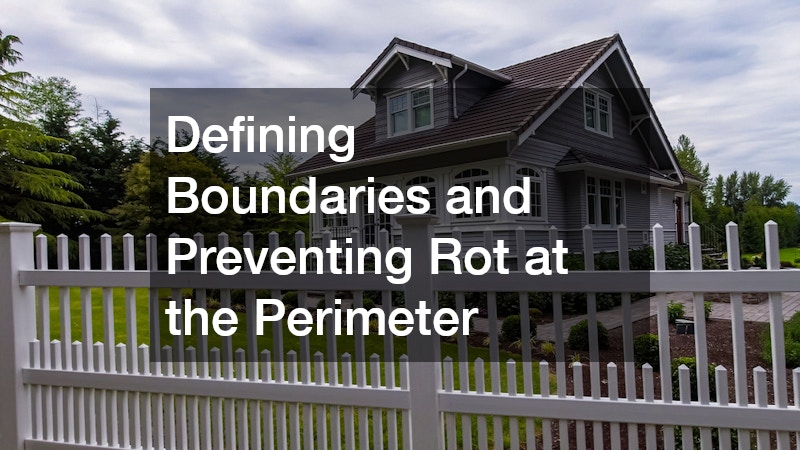
Fences and perimeter structures provide security and privacy, but because they sit directly in or on the damp earth, they are uniquely vulnerable to premature structural failure.
- Ensure all structural posts are set beneath the local frost line to prevent the entire structure from heaving and tilting during winter freeze cycles.
- Use gravel at the bottom of post holes to facilitate water drainage away from the base of the support, rather than allowing water to pool around the wood or metal.
- Keep clear space between the bottom of your perimeter boards and the soil or grass to avoid continuous moisture contact, which invites rot and fungal growth.
Selecting the right materials and construction methods from the start saves years of frustrating repairs. Partnering with a specialist for a professional fence installation ensures that pressure-treated timbers, vinyl, or powder-coated aluminum are aligned with precision, using heavy-duty fasteners that will not rust or snap during high-wind events.
Maximizing Asphalt Longevity
Asphalt is a flexible and cost-effective paving material, but it is highly susceptible to damage from UV rays and chemical spills. When left unmaintained, oil leaks soften the binder, while the sun turns the rich black surface into a brittle, gray matrix prone to spiderweb cracking.
- Repair minor cracks as soon as they appear using rubberized cold-pour or hot-applied crack fillers to keep water from traveling down into the gravel sub-base.
- Clean up automotive fluid spills immediately with absorbent materials and specialized degreasers, as oil and gasoline will rapidly dissolve asphalt compounds.
- Apply a high-quality coal tar or asphalt emulsion sealer every two to three years to lock out moisture and provide a protective shield against intense sunlight.
When major structural cracks, severe rutting, or alligator cracking take over, simple DIY patches are no longer sufficient. At this stage, utilizing professional asphalt paving services is necessary to excavate the damaged zones, re-compact the underlying stone base, and lay down fresh, hot-mix asphalt that can handle heavy axle loads for another twenty years.
Protecting Hardscape Sub-Bases from Damage
Concrete driveways and interlocking paver paths face similar threats from shifting ground conditions and poor drainage. When water gets under a solid slab and freezes, it expands, lifting the concrete and creating dangerous tripping hazards and uneven surfaces.
- Routinely sweep away dirt and organic matter from paver joints to prevent weeds from taking root, as root systems can easily displace heavy stones over time.
- Ensure that heavy delivery trucks do not park on the vulnerable edges of your concrete or paved surfaces, which can cause the edges to shear and break off entirely.
Maintaining these surfaces requires a blend of deep cleaning, crack sealing, and sometimes concrete leveling. Seeking out comprehensive driveway services can address underlying issues like sub-base erosion, ensuring your paths stay level, drain water correctly into designated drainage basins, and look pristine year-round.
Managing Hazards from Overhanging Canopy Structures
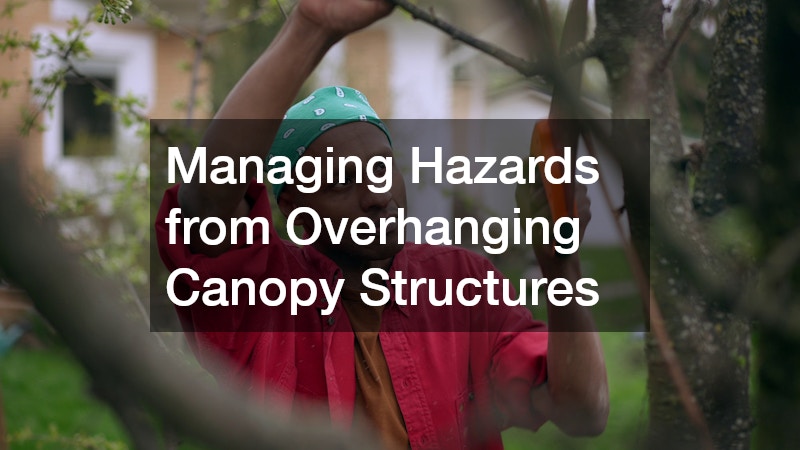
While large, mature trees add immense beauty and shade to a property, they pose a silent threat if left unmonitored. Heavy storms can snap weak limbs, sending them crashing onto your roof tiles or through windows.
- Look closely for signs of tree stress, such as mushrooms growing around the base of the trunk, dead or leafless branches during the spring growing season, or deep vertical cracks in the trunk.
- Maintain a minimum clearance of ten feet between any tree branches and your roofline to stop branches from scratching your shingles and to deny easy access to roof-dwelling wildlife.
- Trim back fast-growing vines from your siding, as their micro-roots can wedge into mortar joints, lift siding panels, and trap destructive moisture against the home.
Large-scale pruning and deadwood removal can be incredibly dangerous work that requires specialized rigging and safety equipment. Employing a certified tree service ensures that large limbs are removed safely without dropping onto your home, while also preserving the health and structural balance of the tree itself.
Sourcing Materials for Clean and Functional Garden Beds
The materials you use to finish your garden beds do more than just look nice; they insulate plant roots, slow down water evaporation, and keep soil from splashing up onto your clean siding during rainstorms.
- Choose organic mulch options carefully, ensuring they are placed at least six inches away from any wood structures to prevent moisture bridging.
- Refresh garden bed borders annually to keep soil contained and prevent mud from washing over adjacent concrete walkways, which can cause slipping hazards and permanent staining.
To achieve a healthy landscape that supports proper water management, sourcing the correct landscaping supplies is critical. Using a mix of double-shredded hardwood mulch, clean river stone, and commercial-grade weed barriers ensures your garden beds hold moisture where your plants need it, while keeping the immediate perimeter of your home dry and stable.
Eradicating Deep Environmental Grime
Over the course of a year, your home accumulates a film of pollen, dust, pollution, and biological growth like mold, mildew, and green algae. If left unchecked, these organisms eat away at paint binders and root into porous surfaces like concrete and wood decking.
- Wash the exterior of your windows annually to clear away mineral deposits that can permanently etch and ruin the glass.
- Clean composite and wood decks every spring to remove slippery algae films that make outdoor spaces dangerous to walk on.
- Use specialized, low-pressure soft washing techniques on fragile surfaces like vinyl siding and asphalt shingles to avoid forcing water behind the panels or stripping away protective shingle granules.
For durable surfaces like stone patios, brick walkways, and concrete driveways, a deeper clean is occasionally required. Professional pressure washing uses the correct balance of specialized cleaning agents and precise water pressure to lift deeply embedded oil stains, rust, and ground-in dirt without scoring or pitting the hard surfaces.
Establishing an Impenetrable Pest Barrier
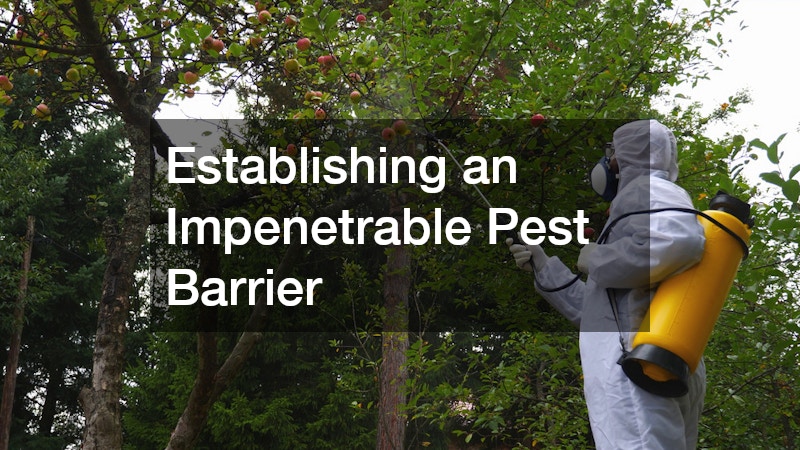
The exterior of your home is the primary battleground for pest management. Small gaps around utility lines, cracked foundation vents, and un-screened soffits are open invitations for destructive insects and rodents looking for a warm place to nest.
- Keep firewood piles, compost heaps, and scrap lumber stored at least twenty feet away from your home, as these piles are prime breeding grounds for termites and carpenter ants.
- Seal any foundation cracks larger than an eighth of an inch with durable hydraulic cement or heavy-duty exterior silicone sealant.
- Inspect the wooden sill plates just above your foundation wall for signs of termite mud tubes or tiny piles of sawdust left behind by boring insects.
Once wood-destroying organisms gain a foothold inside your walls, they can quietly hollow out your structural studs before you ever see a single bug. Setting up routine preventative pest control services creates a continuous chemical or natural perimeter barrier around your home’s exterior, stopping termites, ants, and mice before they can breach your living space.
Maintaining the structural and aesthetic integrity of your home exterior is an ongoing, lifelong commitment that requires a proactive mindset. By addressing small maintenance tasks across your roof, siding, hardscaping, and landscaping on a predictable seasonal schedule, you can easily prevent minor wear and tear from escalating into stressful, expensive emergency renovations.
While certain tasks can be handled on a weekend with basic tools, knowing when to call in experienced professionals for specialized structural work ensures the job is done safely and correctly. Ultimately, the time, energy, and resources you dedicate to protecting the outside of your home will return immense value in the form of elevated curb appeal, minimized emergency repair costs, and long-term financial equity for years to come.