
When homeowners think of modern design, their minds often jump straight to open-concept floor plans, minimalist furniture, neutral color palettes, and high-end quartz countertops. While visual aesthetics certainly define the surface character of a contemporary home, true modern design is fundamentally rooted in structural engineering and high-performing infrastructure. A sleek living room loses its charm instantly when water backs up into the basement, a luxury bathroom is ruined by mineral scale buildup, or energy bills skyrocket due to poor exterior insulation and outdated roofing materials.
Upgrading a property for long-term functional success requires looking past cosmetic trends and focusing on the underlying systems that keep a home running smoothly. By treating your residential property as a unified, high-performance system—where exterior architectural cladding, stormwater drainage, perimeter privacy, mechanical plumbing, and renewable energy networks work in harmony—you establish an environment that is as resilient and efficient as it is visually striking. Investing in hidden infrastructure modernization protects your financial equity, lowers operational costs, and delivers daily peace of mind for decades to come.
Understanding how these distinct physical systems interact is essential for any property owner embarking on a major renovation or build. A residential structure is an active mechanical shell that must continuously shed rainwater, regulate internal thermal loads, manage solid waste, filter municipal water, and distribute electrical power. When any one of these primary infrastructure layers fails, the entire living experience is compromised, regardless of how much money was spent on interior cabinetry or designer lighting fixtures.
To achieve true architectural longevity, modernization must be approached systematically, beginning with the outermost protective barriers of the property and moving inward to the mechanical core. This comprehensive guide walks you through every major phase of infrastructure modernization, providing actionable engineering advice, trade integration strategies, and structural planning tips to ensure your property remains functional, low-maintenance, and aesthetically timeless for generations to come.
Upgrading the Exterior Architectural Envelope for Durability and Style

The building envelope is your home’s primary line of defense against atmospheric conditions, temperature extremes, driving winds, and destructive moisture intrusion. In modern architectural design, the building envelope must fulfill a complex double requirement: it must display clean, uncluttered lines while delivering superior thermal performance, fire resistance, and structural longevity. Updating outdated siding, leaky flashing, and deteriorated roofing with advanced modern materials transforms a home’s curb appeal while drastically reducing ongoing maintenance requirements and energy consumption.
To build an exterior envelope that combines contemporary elegance with maximum durability, consider these essential structural upgrades:
-
Select High-Performance Roofing Materials: Traditional asphalt shingles often degrade, curl, lose protective granules, and fade after a single decade of sun exposure and heavy rain. Replacing old roofing with standing-seam metal roofing creates crisp vertical shadow lines that accentuate modern architectural forms while providing an impressive 50-plus-year lifespan, class-4 hail impact resistance, and exceptional solar heat reflectance. The concealed fastener design of standing-seam systems eliminates exposed screw penetrations, drastically reducing potential leak points over the roof deck.
-
Integrate Flush Vehicle Access Points: The garage door often occupies up to 30 percent or more of a home’s primary front elevation, making it an unavoidable focal point of curb appeal. Replacing dated, standard paneled doors with sleek, insulated glass-and-aluminum panels or flush-mount composite models instantly updates your exterior facade while improving thermal insulation for attached garage spaces and living areas situated directly above.
-
Coordinate Architectural Materials with High-End Garage Doors: Ensure that vehicle access panels visually match or complement your primary siding materials. Pairing dark matte black or bronze frames on your garage doors with vertical natural cedar slatting, standing-seam accent panels, or smooth fiber cement panels creates a cohesive, high-end architectural finish across the entire front elevation.
-
Incorporate Thermal Breaks and Continuous Insulation: When updating exterior siding, apply rigid foam or mineral wool continuous insulation boards directly beneath the new rainscreen cladding. This structural detail eliminates thermal bridging through wooden wall studs, dampens ambient outdoor street noise, and significantly reduces annual heating and cooling energy demands by keeping the structural wall framing at a stable internal temperature.
Investing in a high-grade exterior envelope protects your home’s structural framing from weather damage while establishing a striking, modern silhouette that sets your property apart in the neighborhood.
Establishing Clean Perimeter Lines and Protected Outdoor Zones
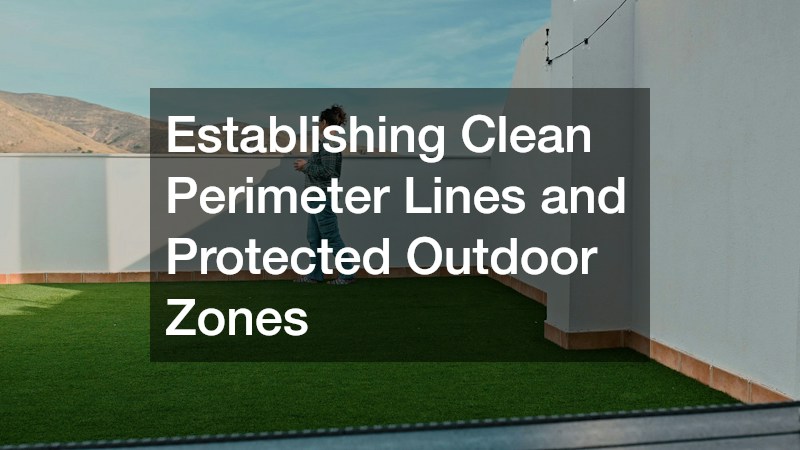
Modern landscape design places an intense emphasis on the seamless transition between interior living rooms and outdoor entertaining spaces. However, enjoying an outdoor living area to its fullest potential requires establishing privacy from neighboring properties, defining distinct spatial zones, and keeping unwanted insects away without creating heavy, oppressive barriers that block natural light, fresh air, and surrounding views.
Implement these actionable strategies to define clean boundaries and establish comfortable, highly functional outdoor living zones:
-
Erect Horizontal Slat Privacy Boundaries: Move away from traditional dog-ear wooden pickets or ornate wrought iron in favor of horizontal cedar slatting or dark powder-coated aluminum fencing. Utilizing specialized fence contractors allows you to establish sharp, linear perimeter lines that align perfectly with your home’s architectural geometry while offering necessary privacy without feeling completely closed off from the neighborhood environment.
-
Construct Sleek Outdoor Screen Enclosures: In regions prone to biting insects, intense afternoon sun, and falling leaf debris, outdoor living areas can quickly become uncomfortable or high-maintenance. Installing a modern, low-profile pool screen enclosure featuring dark aluminum structural framing and ultra-clear high-visibility mesh preserves sweeping views of the sky and surrounding landscape while creating a bug-free sanctuary for outdoor dining, swimming, and lounging.
-
Sourcing Custom Aluminum Work: Collaborating with a skilled local pool screen enclosure specialist guarantees that structural post alignments follow the exact grid of your patio pavers, avoiding awkward diagonal braces and maintaining clean optical sightlines from primary interior living rooms out toward the pool or yard.
-
Frame Windows with Perimeter Sightlines: Position outdoor boundary structures so that horizontal fence lines and screen framing rails align cleanly with interior window sills and door headers when viewed from primary indoor living areas, creating effortless spatial continuity between inside and outside.
By creating crisp, protected perimeter boundaries, you transform an open, exposed yard into a series of intimate, functional outdoor rooms that naturally extend your home’s usable living space.
Managing Water Runoff and Maximizing Multi-Level Living Spaces
Rainwater management is one of the most critical yet frequently overlooked aspects of residential infrastructure modernization. Poor surface drainage around decks, patios, driveways, and foundations leads to severe topsoil erosion, wood rot, basement dampness, foundation settling, and ruined lower-level outdoor areas. Modern water management captures runoff at the source and diverts it intelligently, allowing homeowners to reclaim underutilized space beneath elevated structures while protecting property value.
Focus on these practical engineering techniques to control surface water and unlock multi-level living potential:
-
Reclaim Space Beneath Elevated Decks: Second-story decks often leave dark, damp, muddy voids directly underneath them that collect rainwater dripping through deck floorboards. Installing a seamless under deck drainage ceiling system featuring hidden aluminum pan gutters collects rainwater dripping through deck gaps and channels it into a perimeter gutter system away from the house, creating a completely dry, fully covered lower-patio living zone perfect for outdoor kitchens, television lounges, or hot tubs.
-
Manage Overhead Tree Canopies: Large shade trees provide natural cooling and beauty, but overgrown, unmaintained limbs can drop heavy debris onto deck drain channels, scrape against metal roofs, drop sap on patio pavers, and block natural sunlight from reaching outdoor living areas. Engaging professional tree services ensures that overhanging branches are trimmed safely, preserving overall tree health while protecting your roofline and maximizing natural daylighting.
-
Direct Runoff to Underground Drainage Networks: Connect downspouts and sub-deck drainage channels directly to underground solid PVC piping rather than flexible corrugated pipe, which is prone to crushing and clogging. Route all stormwater away from the building to catch basins, dry wells, or decorative rain gardens positioned well beyond your home’s foundation footings.
Intelligent water management protects your home’s structural foundation from costly water damage while turning previously wasted under-deck square footage into functional, highly desirable outdoor living space.
Ensuring High-Performance Plumbing and Waste Line Reliability

A modern luxury bathroom featuring matte black fixtures, rainfall showerheads, wall-mounted toilets, and free-standing soaking tubs requires reliable, high-performing plumbing infrastructure operating behind the tile. Hard water mineral deposits, fluctuating water pressure, aging main sewer lines, and hidden pipe corrosion can rapidly damage high-end plumbing hardware and cause catastrophic indoor flooding if left unaddressed during a modernization project.
Implement these infrastructure upgrades to protect your home’s water supply and waste removal systems:
-
Neutralize Mineral Deposits at the Main Line: Hard water contains dissolved calcium and magnesium that creates unsightly white scale buildup on designer faucets, clogs delicate showerhead spray nozzles, reduces heating efficiency, and ruins tankless water heaters. Installing an automated ion-exchange water softener system at the main point of entry neutralizes these harsh minerals, preserving your plumbing fixtures, keeping glass shower doors spot-free, and dramatically extending the operating life of water heaters and internal valves.
-
Maintain Clear Main Waste Lines: Main sewer lines are continually susceptible to tree root intrusion, fat and grease buildup, and pipe sagging over time. Scheduling periodic professional sewer drain cleaning using high-pressure hydro-jetting and video camera pipe inspections removes invasive tree roots and heavy sludge before severe blockages or basement waste backups occur.
-
Upgrade Internal Supply Manifolds: Replace aging galvanized iron, copper, or early-generation plastic piping with modern PEX-a expansion manifold supply systems. Hiring licensed plumbing services to install dedicated home-run lines from a central manifold ensures balanced water pressure to every fixture, even when multiple showers, irrigation zones, and appliances are running simultaneously.
Maintaining pristine water quality and clear waste channels guarantees that your daily routines run smoothly without the threat of unexpected plumbing disasters or premature hardware degradation.
Integrating Renewable Energy and Smart Grid Utilities
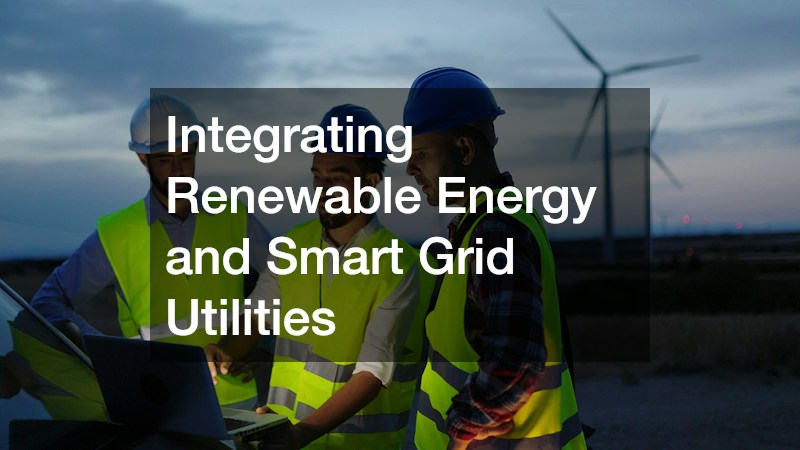
As utility costs continue to rise and climate conditions become more unpredictable, modern home design must incorporate sustainable, forward-thinking power infrastructure. A truly modern home minimizes its reliance on traditional fossil-fuel electrical grids, leveraging clean technology to generate, store, manage, and monitor electrical power efficiently on-site.
Explore these modern utility strategies to future-proof your home’s energy performance and electrical infrastructure:
-
Capitalize on Off-Site Renewable Power: For properties with heavily shaded building lots, complex rooflines, or strict historical architectural constraints that prevent rooftop solar panel placement, subscribing to a regional solar farm installation offers an ideal alternative. This allows homeowners to offset their monthly electricity consumption with clean, locally produced solar energy without mounting physical hardware, racking, or conduit on their roof deck.
-
Prepare Electrical Panels for High-Demand Upgrades: Modern homes require robust electrical service panels capable of handling heavy electrical draws from modern lifestyle upgrades. Upgrade your service panel to 200-amp or 400-amp capacity to seamlessly accommodate electric vehicle charging stations, induction cooktops, high-efficiency heat pump HVAC systems, and residential battery storage banks.
-
Install Modular Battery Backup Systems: Pair your electrical service panel with wall-mounted lithium-iron-phosphate battery storage systems. These units store excess solar power generated during the day or draw grid power during low-cost off-peak hours, automatically providing seamless backup power to critical household circuits during neighborhood power outages without the noise, emissions, and fuel needs of gas generators.
Embracing clean energy infrastructure lowers your monthly utility expenses, reduces your environmental impact, and ensures continuous, reliable electrical power during extreme weather events or localized grid disruptions.
Modernizing a property’s infrastructure is an investment in the invisible, high-performing engine that powers your daily life. While plush velvet sofas, custom kitchen cabinetry, luxury marble tiles, and trendy interior paint colors may capture initial visual attention, it is standing-seam metal roofs, dry under-deck living zones, softened water, clear waste lines, and clean renewable energy systems that truly define a high-performance, contemporary home.
By taking a holistic, systematic approach to upgrading your property’s exterior envelope, stormwater drainage, mechanical plumbing, boundary zoning, and power infrastructure, you eliminate the constant stress of ongoing repairs and high operating costs. Investing in quality engineering, durable materials, and expert trade execution creates a resilient, low-maintenance environment that elevates your everyday quality of life, protects your family, and secures exceptional real estate market value for decades to come.