Granite countertops are a popular choice for homeowners looking to add style and functionality to their kitchens. However, with so many options and factors to consider, choosing the perfect granite countertop can be overwhelming. Granite offers a unique blend of natural beauty and durability.
Its timeless appeal and resilience make it an attractive option for many. In this article, we will guide you through the essential aspects of choosing the right granite countertop for your home.
What are the different types of granite countertops?
Understanding the variations in color and pattern
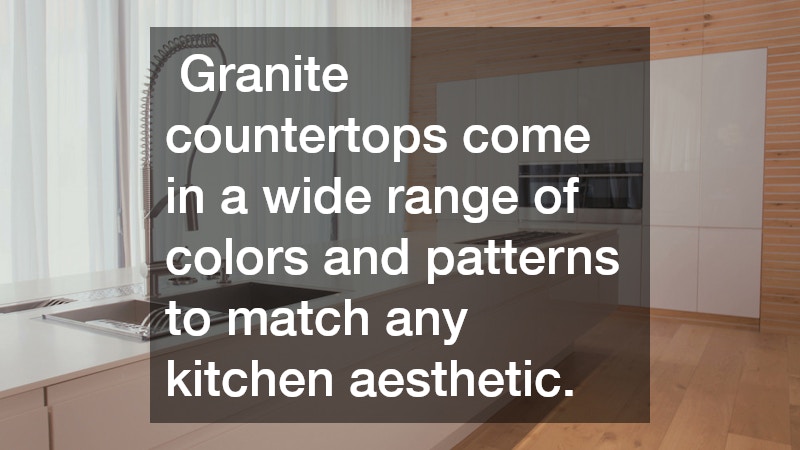
Granite countertops come in a wide range of colors and patterns to match any kitchen aesthetic. From bold veining to subtle freckles, each piece of granite offers a unique appearance. Homeowners can choose from neutral tones like black, white, and gray, or opt for vibrant hues such as pink, blue, or green. The variety of patterns, including specks, swirls, and veins, ensures that every countertop is one-of-a-kind. Selecting the right color and pattern involves balancing personal style and the existing kitchen décor. It’s important to consider how your choice will complement cabinets, backsplashes, and flooring.
Classifying granite by origin and grade
Granite quality is often classified by its origin and grade, which affects both the price and longevity. Commercial-grade granite is often more affordable but may have more imperfections. Premium quality granite, on the other hand, is carefully selected for its exceptional color and durability. Origin plays a significant role in determining a granite’s characteristics and performance. Granite sourced from Brazil, Italy, and India are particularly renowned for their high quality. Investing in premium granite not only enhances home value but also ensures long-term satisfaction.
How to assess quality and durability
Examining weight and density factors
The weight and density of granite slabs are key indicators of quality and strength. Generally, denser granite provides better resistance to chips and cracks, making it ideal for kitchen countertops. Thicker slabs not only offer additional durability but also create an impression of luxury. When choosing granite, consider both the aesthetic appeal and practical benefits of a heavier, more substantial slab. Granite countertops can withstand daily wear and tear, resulting in a longer lifespan compared to other materials. Durability is a crucial factor that ensures your investment stands the test of time.
Evaluating finish types for longevity
Granite countertops are available in various finish types, each affecting the stone’s longevity and maintenance needs. The polished finish is highly reflective, enhancing the natural beauty of granite and making it easier to clean. A honed finish provides a matte appearance, which requires slightly more upkeep but minimizes the visibility of scratches. The leathered finish offers a textured look, providing an excellent grip and a reduced tendency to show fingerprints or smudges. Homeowners should consider their lifestyle and maintenance preferences when selecting a finish. Choosing the right finish can optimize both the functionality and appearance of your granite countertop.
What to consider when budgeting for granite countertops?
Breaking down cost estimates
Budgeting for granite countertops involves understanding the elements that contribute to their cost. The price of granite includes the type and quality of the slab, as well as the complexity of the installation process. Customizations, such as edge profiles and cutouts for sinks or cooktops, can add to the overall expense. Proper installation is essential and requires professional expertise to ensure a perfect fit and lasting performance. While costs can vary greatly, investing in quality granite provides assurance of value and longevity. Homeowners should factor in maintenance and potential future repairs when setting a budget.
Considering long-term value additions
Investing in granite countertops can significantly enhance the value of your home. The durability and classic appeal of granite make it an attractive selling point for potential buyers. In addition to aesthetic benefits, granite offers practical advantages, such as high heat resistance and easy maintenance. Over time, the initial investment in granite can be offset by reduced maintenance costs and the potential increase in property value. When choosing granite, it’s important to consider both immediate impact and future financial benefits. By prioritizing quality, homeowners can enjoy the rewards of a long-lasting and valuable kitchen upgrade.
Choosing the perfect granite countertop involves evaluating types, quality, and budget considerations intricately to enhance your kitchen both aesthetically and functionally. By understanding the variety of options, from color to finish, homeowners can make informed decisions that align with their personal style and practical needs. Prioritizing quality and durability ensures lasting satisfaction and a sound return on investment. Granite countertops are more than just functional surfaces; they are timeless additions that add significant value to any home. With careful planning and selection, you can enjoy the unique beauty and benefits of granite for years to come.